
Image on Pinterest
When a mandatory evacuation order goes out and families have 36 hours to leave, most people reach for their go-bag, grab their medications, and search for the nearest shelter. Very few reach for their mortgage protection policy, their trust document, or their critical illness insurance card. That oversight is often more costly than anything the storm destroys. A complete hurricanes and evacuation plan is not just a logistical checklist of food, water, and pet carriers. It is also a financial protection framework, and the families who understand this distinction recover faster, lose less, and avoid the legal entanglements that follow when the wrong paperwork is missing at the wrong moment.
This guide covers three financial protection products every household should factor into their hurricanes and evacuation plan: mortgage protection insurance, trust and estate planning, and critical illness coverage. It also explains why keeping all your important financial documents in one physical location is a structural vulnerability that a single storm can permanently expose, and what to do about it before the season reaches its peak. The principles covered here apply to your household.
Related BlogPost
Critical Illness Insurance Claims: The Payout Process in 2026
Trust Funding 101: Why an Unfunded Trust Protects Nobody
Disabled? Mortgage Protection Insurance Can Keep Your Family in Their Home
The Rockefeller Waterfall Method? A Complete Guide to Generational Wealth Transfer

Image on Pinterest
What Is a Hurricanes and Evacuation Plan and Why Does It Have a Financial Dimension?
A hurricanes and evacuation plan is a coordinated set of actions a household takes before, during, and after a hurricane to protect life, property, and financial continuity. Most people define this narrowly as a physical preparation checklist, covering water supplies, non-perishable food, medications, pet arrangements, and an identified shelter destination. That definition is incomplete, and the gap it leaves becomes expensive.
NOAA’s outlook for the 2026 Atlantic hurricane season predicts a 55% chance of a below-normal season, with 8 to 14 named storms forecast in total. That figure may sound reassuring until you hear what NOAA’s National Weather Service Director Ken Graham said alongside that forecast: “Although El Niño’s impact in the Atlantic basin can often suppress hurricane development, there is still uncertainty in how each season will unfold. That is why it’s essential to review your hurricane preparedness plan now. It only takes one storm to make for a very bad season.” The financial dimension of a hurricanes and evacuation plan becomes real the moment that one storm arrives.
According to the National Hurricane Center, the peak of the Atlantic hurricane season is September 10, with most activity occurring between mid-August and mid-October. Also, because about 60 percent of the season’s activity occurs after the peak, the most dangerous window stretches well into the fall, giving households that have not yet built a financial protection layer almost no room to act once a named storm is approaching.
The financial dimension of a hurricanes and evacuation plan shows itself clearly in the aftermath of a disaster. When a homeowner cannot make mortgage payments because they were injured during a storm evacuation, the bank does not pause collections out of sympathy.
When a spouse needs to file a life insurance claim after a storm-related death, they need the original policy number, the insurer’s claims line, and the named beneficiary on record.
When original trust documents are destroyed by storm surge and no copies exist elsewhere, the estate may be forced into probate, a process that delays asset access for months and generates legal costs that reduce what beneficiaries ultimately receive.
What Financial Documents Belong in Every Hurricane Evacuation Plan?
Financial preparedness experts recommend taking copies of legal, financial, and medical documents with you when evacuating, including bank statements, insurance policies, mortgage information, credit card numbers, wills, birth certificates, passports, and medical prescriptions. That list is a starting point, and a properly built hurricanes and evacuation plan goes further by organizing those documents into three distinct categories, each serving a different function during the recovery period.
The first category is protection policies. This includes your mortgage protection insurance policy with the servicer’s direct disaster assistance line, your life insurance policy with the beneficiary designation and policy number confirmed, your critical illness insurance policy with the insurer’s claims contact, and your homeowners and flood insurance policies.
Standard homeowners insurance typically does not cover flood damage, so families in flood-prone areas often need a separate flood policy, frequently through the National Flood Insurance Program. Many families discover this gap only after the storm, which is why confirming your coverage during the planning stage of a hurricanes and evacuation plan is non-negotiable.
The second category is legal instruments. This means your will or trust document, your durable financial power of attorney, your healthcare directive, and any property deed or mortgage statement confirming ownership. Without a valid power of attorney in place before a hurricane, your family must petition for guardianship through the courts to access bank accounts, pay your mortgage, file insurance claims, or manage your business, and that process takes weeks in normal times and much longer after a disaster when courts are backlogged.
The third category is account access information: your mortgage servicer’s disaster hotline number, your bank account details, your credit card emergency lines, and the direct contact information for every insurance agent and attorney you work with.
The recommended storage approach is to keep physical copies in a waterproof, fire-resistant portable container, and to store encrypted or password-protected digital copies in secure cloud storage. T-Bridge Finance LLC recommends extending this to a three-point system: a waterproof physical folder in your evacuation bag, encrypted cloud storage accessible from any phone, and attorney-held or trustee-held originals for your most critical legal documents. Relying on one physical location is not a storage strategy for a hurricanes and evacuation plan; it is a single point of failure.
How Mortgage Protection Insurance Fits Into a Hurricane Evacuation Plan
Mortgage protection insurance is a life and disability product that covers your monthly mortgage payment if you die, become disabled, or lose income. At T-Bridge Finance LLC, this product sits at the center of hurricane financial preparedness conversations because the mortgage obligation does not pause when a storm makes landfall.
Homeowners insurance covers hurricane damage to the structure and contents of a home, but standard policies typically do not cover flood damage. The National Flood Insurance Program fills the flooding gap, but neither product addresses your ability to keep paying the mortgage if your income stops because of illness, injury, or death triggered by or during the storm. Mortgage protection insurance is specifically designed to close that gap.
Consider a realistic scenario. A homeowner named Marcus and his wife own a home in a coastal metropolitan area. Marcus is the household’s primary income earner, and the couple has a 20-year mortgage on their property. During an evacuation ahead of an approaching storm, Marcus is involved in a serious traffic accident on a congested evacuation route and is hospitalized for eight weeks. During that time, the couple’s income stops, but the mortgage servicer continues to expect payment.
If Marcus has mortgage protection coverage from T-Bridge Finance LLC, the policy covers those payments during the disability period. If he does not, the family faces the risk of foreclosure proceedings at precisely the moment they are trying to recover from a disaster.
Mortgage Protection Insurance vs. Homeowners Insurance: Understanding the Real Difference
These two products share the same subject matter, the family home, but they protect entirely different things. Understanding the distinction is one of the most important steps in building a sound hurricanes and evacuation plan, and one of the most frequently misunderstood points among homeowners who assume “being insured” means being fully protected.
Homeowners Insurance: What It Covers and Where It Stops
Homeowners insurance covers the physical structure of your home, the contents inside it, and, in most policies, some form of loss-of-use reimbursement for temporary living expenses when the home is uninhabitable. If a hurricane’s winds damage your roof, shatter your windows, or collapse an exterior wall, your homeowners policy is the instrument that funds the repair.
What homeowners insurance does not cover is the debt attached to your home, it does not pay your mortgage on your behalf, neither does it replace your income nor protect your family’s right to stay in the home if the person making the payments is no longer able to do so. As noted above, it does not cover flooding in most standard policies, which is a critical gap in coastal and flood-zone markets.
Mortgage Protection Insurance: What It Covers and Why It Matters
Mortgage protection insurance covers the financial obligation rather than the structure. If the policyholder dies while the mortgage is outstanding, the policy benefit is typically paid directly to the lender, eliminating the debt and protecting the family’s right to remain in the home free and clear. If the policyholder becomes disabled or critically ill, many policies cover the monthly payment during the period of inability to work.
For families building a hurricanes and evacuation plan, this is the product that answers the question most often left unanswered: what happens to the house if the person paying for it is gone? T-Bridge Finance LLC, under the guidance of Dr. Taiwo Akindahunsi, structures mortgage protection solutions around that exact scenario.
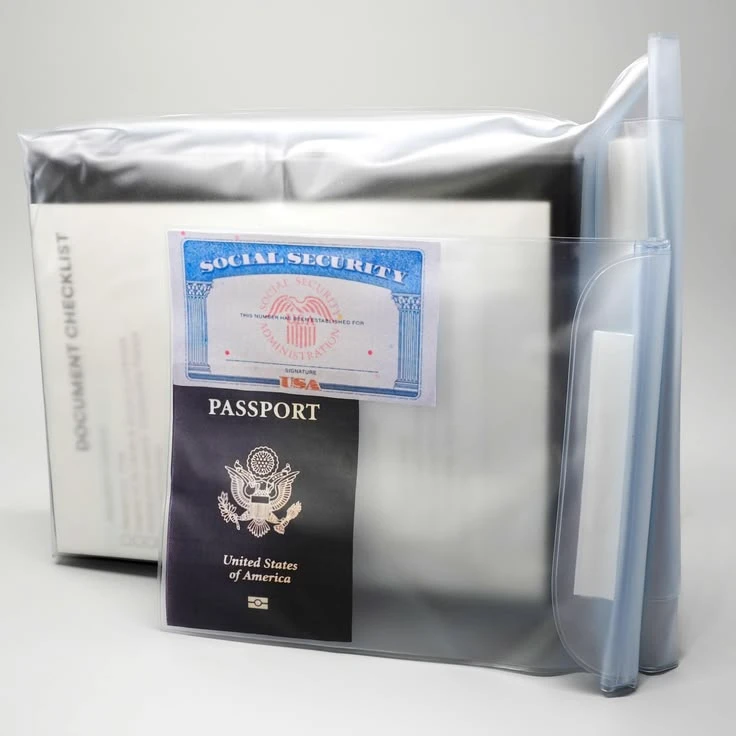
Image on Pinterest
Why Trust Documents Are a Non-Negotiable Part of Any Hurricane Evacuation Plan
If your original trust or will is destroyed by a hurricane and no accessible copies exist outside your home, your estate may be forced through probate court. Probate delays asset distribution, generates legal costs, and in some family situations creates conflict that would not exist if a clear, accessible document were in place. Estate planning experts consistently recommend keeping original documents in a waterproof, fire-resistant safe or a secure location outside flood-prone areas, with secure digital copies stored as a backup, and ensuring that the executor, trustee, or agent knows where documents are stored and how to access them. (Woodseitlanderson)
The best time to update an estate plan is before hurricane season begins or after major life changes. If you have purchased a home, married, divorced, had children, or changed your financial accounts since your last estate review, your plan is almost certainly misaligned with your current assets and intentions. A pre-season estate review takes one meeting and closes vulnerabilities that may have been accumulating for years.
At T-Bridge Finance LLC, the team under Dr. Taiwo Akindahunsi recommends what they call three-point document custody for trust instruments. The original document is held by the drafting attorney, a certified copy is stored in a waterproof and fire-resistant container at home or with a trusted family member outside the flood zone, and a scanned digital copy is saved to encrypted cloud storage so that the trustee or executor can access it from anywhere in the world, even if the home and everything in it is underwater.
There is also a power of attorney dimension that most hurricane preparedness guides ignore entirely. A durable financial power of attorney designates a trusted person to manage your financial affairs if you are incapacitated. During a hurricane, the range of events that can cause incapacitation is broader than most people expect: a serious car accident during the evacuation, a head injury from falling debris while securing the home, or the kind of cardiac event that acute disaster stress is known to trigger.
Without a valid power of attorney, a family member who needs to access your bank accounts, pay your mortgage, or file insurance claims must petition for court-ordered guardianship, a process that takes weeks under normal circumstances and significantly longer after a major disaster when courts are backlogged.
Why Critical Illness Insurance Belongs in Every Hurricane Financial Protection Plan
Critical illness insurance is a product that pays a lump-sum cash benefit directly to the policyholder upon diagnosis of a covered condition, including heart attack, stroke, cancer, and major organ failure. The payment is unrestricted, meaning the policyholder can use it for any expense: the mortgage payment, evacuation lodging costs, medical travel, household bills during recovery, or any other need that arises.
The connection between a hurricanes and evacuation plan and critical illness coverage rests on a straightforward medical reality. Hurricane-prone areas present unique challenges because critical illness diagnoses during or after natural disasters can complicate treatment access, and having critical illness coverage ensures that financial resources remain available even when traditional support systems are disrupted.
During a hurricane, incapacity can happen suddenly: a tree falls on your car, floodwater traps you and causes a head injury, or you suffer a heart attack during the stress of evacuation. For individuals who already carry cardiovascular risk factors, the weeks surrounding a major hurricane represent a period of elevated health vulnerability, with disrupted routines, poor sleep, physical exertion, and the psychological weight of potential property loss all compounding simultaneously.
Critical illness insurance provides a cash cushion at the moment it is most needed, because in a crisis, time is everything, and when you are sick, you should not also be worrying about money. For most American households, liquid savings can replace less than one month of income, which means a critical illness diagnosis during hurricane season simultaneously removes income and removes the savings buffer. The lump-sum benefit from a critical illness policy through T-Bridge Finance LLC converts what would otherwise be a financial catastrophe into a manageable recovery.
It is also worth clarifying how critical illness insurance interacts with health insurance, because the two products are sometimes assumed to overlap. Health insurance covers the medical bills. Critical illness insurance covers everything else: the mortgage that still comes due while you are recovering, the groceries your family needs, the hotel room while your home is being repaired, and the transportation costs to reach a specialist who may be outside your usual network. These are not competing products; they address entirely different categories of financial exposure within a complete hurricanes and evacuation plan.
How to Make a Hurricane Evacuation Plan That Covers Financial Protection
A hurricanes and evacuation plan that includes financial protection requires completing six actions before a storm is named and approaching your region. These actions are not reactive responses to an imminent threat; they are the infrastructure of financial security that either exists before the storm makes landfall or fails to exist at the precise moment your family needs it.
The first action is conducting a policy audit. Review every active insurance policy you hold, including your homeowners coverage, flood coverage, mortgage protection, life insurance, and critical illness policy. Confirm that each policy is active, that premiums are current, and that coverage limits still reflect your actual financial obligations. If you obtained your mortgage protection policy several years ago and have since refinanced to a higher balance, your coverage may be insufficient for your current exposure.
The second action is confirming all beneficiary designations. Beneficiary designations on life insurance policies and retirement accounts override your will, which means an outdated designation can direct assets to the wrong person regardless of what your trust or will document says. Before hurricane season reaches its peak, verify that every beneficiary on every policy and account reflects your current intentions.
The third action is establishing document custody for your trust and will. Confirm that your attorney retains a copy of all original estate documents, that a certified copy exists in a location outside your primary flood zone, and that your trustee or executor has the access credentials for your digital document storage.
The fourth action is digitizing all critical financial documents. Scan your insurance policies, trust documents, mortgage statement, property deed, and government-issued identification, and upload them to encrypted cloud storage that you can access from your phone in any location. Store the login credentials somewhere other than the device or filing system you depend on at your primary address.
The fifth action is building a physical waterproof financial folder for your evacuation kit. This folder should contain printed copies of insurance policy numbers, insurer claims lines, your mortgage servicer’s disaster assistance number, bank account numbers, and the direct contact information for your attorney and financial advisor. Power outages can disrupt ATMs and card processing systems, so also include a modest amount of cash in small denominations.
The sixth action is scheduling a pre-season financial protection review with T-Bridge Finance LLC. Dr. Taiwo Akindahunsi and the T-Bridge Finance LLC team describe this as a protection stack audit: an examination of whether the individual layers of your coverage, homeowners, flood, mortgage protection, life insurance, and critical illness, work together without gaps. The 2026 Atlantic hurricane season officially runs from June 1 through November 30, and the historically most active window runs from mid-August through mid-October. A July review is the appropriate preparation window.

Build Your Hurricane Financial Protection Plan Before the Season Peaks
A hurricanes and evacuation plan that stops at logistics leaves the most consequential questions unanswered: what happens to the mortgage if the policyholder dies, who can access the financial accounts if the account holder is incapacitated, where are the documents that prove what the family owns, and is there a cash benefit available if a critical illness diagnosis strikes during the months following a storm. These are not hypothetical questions, they are the real questions that families face in the aftermath of real storms, and the answers to those questions depend entirely on whether the right protections were assembled before the storm was named.
Schedule a consultation with T-Bridge Finance LLC today and reach out directly to begin your pre-season financial protection review. The review costs less time than it would take to rebuild from a storm without the protections that should have been in place before it arrived.
About the Author
Maxwell is a financial content strategist at T-Bridge Finance LLC, a financial services firm based in Bowie, Maryland. All articles published on this blog are reviewed by the licensed PROFESSIONALS at T-Bridge Finance LLC before publication to ensure accuracy and compliance with current insurance and financial guidelines. T-Bridge Finance LLC holds active insurance licenses and serves families across the United States with life insurance, estate planning, college funding, and tax-advantaged wealth strategies. schedule a free consultation.
FAQ
1. Does life insurance pay out if someone dies during a hurricane?
Yes. Term life insurance plans typically cover all natural causes of death, including weather events such as hurricanes, and your family will receive the death benefit regardless of how the death occurred as long as the policy is active and premiums are current at the time of death. T-Bridge Finance LLC recommends confirming your policy status and beneficiary designations annually, before hurricane season opens each June.
2. What happens to my mortgage if a hurricane destroys my home?
The mortgage obligation continues regardless of what the storm does to the structure. Homeowners or flood insurance may fund rebuilding costs, but the outstanding loan balance remains your legal responsibility. Most mortgage servicers offer natural disaster forbearance, but you must contact the servicer directly to request it, and saving receipts for evacuation costs is advisable as some policies cover additional living expenses. Mortgage protection insurance from T-Bridge Finance LLC addresses the underlying debt obligation if the borrower dies or becomes unable to make payments.
3. What happens if my trust or will is destroyed in a hurricane and no copies exist?
Contact your estate planning attorney immediately, because the attorney typically retains a copy of all original documents. If no copy exists anywhere, the trust may need to be re-executed, which requires the original grantor to be alive, legally competent, and able to appear before a notary. This is why T-Bridge Finance LLC strongly advocates the three-point custody model: attorney-held originals, waterproof home copies, and encrypted digital backups.
4. Does critical illness insurance cover conditions triggered by hurricane stress?
Critical illness insurance pays upon the first confirmed diagnosis of a covered condition, regardless of the contributing cause. If a policyholder suffers a heart attack or stroke during or after a hurricane evacuation, and the condition is covered under their policy, the lump-sum benefit is paid directly to the policyholder to use as they choose, with no requirement to prove that the hurricane caused the illness. The trigger is the diagnosis, not the cause.
5. How early should I review my hurricanes and evacuation plan for financial protection?
The recommended planning window is at least 60 days before the historically active peak of hurricane season, which falls on September 10, with most significant storm activity occurring between mid-August and mid-October. A July review gives enough time to update beneficiary designations, adjust or obtain mortgage protection and critical illness coverage, and complete the three-point document storage process. Most insurers also impose a 30-day waiting period on new policies, so last-minute applications filed when a storm is already named provide no protection for that event.
Disclaimer: The information in this article is for educational purposes only and does not constitute financial, legal, or insurance advice. Life insurance and financial products vary by carrier, state of residence, age, health profile, and individual circumstances. Past index performance does not guarantee future results. Cash value illustrations referenced in this article are hypothetical projections and not a guarantee of policy performance. T-Bridge Finance LLC is a licensed financial services firm operating in the United States. Please consult a licensed financial advisor or insurance professional before making any insurance or financial planning decisions. To speak with our team, contact us here.