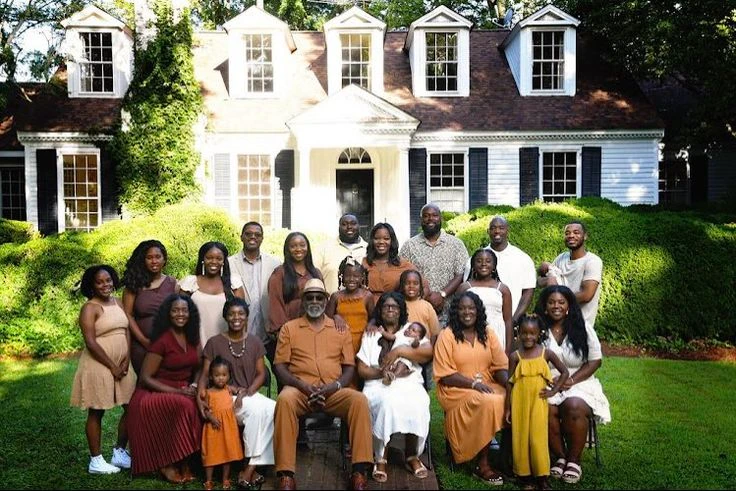
Image on Pinterest
Most people buy insurance for the day they die, but the far more likely threat to your family’s home is the day you can’t work, a stroke at 44, a spinal injury from a car accident, a cancer diagnosis that sidelines you for a year. Mortgage protection insurance exists precisely for that moment, it pays your mortgage lender directly when disability, death, or involuntary job loss strips the income your household depends on. For a sole earner in Maryland, it is not a luxury policy, but, it is the financial structure holding everything else up.
Related BlogPost
WHAT IS INDEXED UNIVERSAL LIFE INSURANCE AND HOW DOES IT WORK?
MORTGAGE Protection Insurance Vs Life INSURANCE: 2026 BRUTAL TRUTH
MORTGAGE PROTECTION INSURANCE: 2026 SPRING HOMEBUYER GUIDE
DISABILITY INSURANCE: PROTECTING YOUR INCOME FROM THE UNEXPECTED
What Is Mortgage Protection Insurance?
Mortgage protection insurance, commonly abbreviated as MPI, is a policy that pays your mortgage lender directly if you die, become disabled, or depending on the policy terms, lose your job involuntarily. Unlike a standard life insurance policy, the benefit does not pass to your family to use as they choose, but it goes straight to the lender to cover your outstanding loan balance or monthly payments. The goal is singular: keep your family in their home when your income disappears.
MPI is not the same as private mortgage insurance (PMI). PMI protects your lender if you default on a loan with less than a 20 percent down payment, it does nothing for your family, but, mortgage protection insurance, by contrast, is an insurance policy that pays off the remainder of your mortgage if you pass away or become disabled and cannot work, functioning similarly to both life insurance and disability insurance, but with the payout going directly to the lender rather than to your heirs.
Most MPI policies are structured as term insurance, meaning coverage runs for a set period, typically tied to the length of the mortgage itself. As your mortgage balance decreases over time, the death benefit on an MPI policy decreases too, though your premiums generally stay the same. This decreasing benefit structure is one reason why healthy borrowers sometimes opt for term life insurance instead, but for those with pre-existing conditions, or for households where the disability risk is greater than the mortality risk, MPI fills a gap that term life cannot.

Image on Pinterest
Why Disability; Not Death, Is the Bigger Threat to Your Mortgage
This is the conversation most insurance discussions skip entirely. Death is the tragedy everyone imagines, but, disability is the one that actually comes for your mortgage.
According to the Social Security Administration’s own fact sheet, about 1 in 4 of today’s 20-year-olds will become disabled and entitled to Social Security disabled-worker benefits before reaching age 67. That statistic comes from SSA’s official publications and has been confirmed across multiple actuarial analyses. Adults under 50, in particular, are statistically more likely to experience a disabling event than to die unexpectedly, yet the entire insurance industry leads with death benefits when selling mortgage coverage.
The financial consequence of disability without coverage follows a predictable and painful sequence. Income stops, savings absorb the first few mortgage payments, savings run out, then delinquency begins. In 2025, 227,360 consumers experienced a new foreclosure, a 30.6 percent increase from 174,100 in 2024. According to the Federal Reserve Bank of New York/Equifax data, mortgages now account for 70.1 percent of total U.S. consumer debt, confirming that the home is the largest financial obligation the typical American family carries. A disability that disrupts income does not pause that obligation, the mortgage continues regardless.
The average SSDI benefit as of early 2026 is approximately $1,630 a month — which is below the poverty guideline for a two-person household. For a family carrying a mortgage in Maryland, where the typical Anne Arundel County homeowner spends around $2,441 a month on mortgage, taxes, insurance, and utilities, government disability benefits cover less than two-thirds of the monthly housing cost alone. Mortgage protection insurance closes that gap.
What Does Mortgage Protection Insurance Actually Cover?
The specific coverage within a mortgage protection insurance policy depends on which components you select, but most standard policies include three core elements.
The death benefit pays off the remaining mortgage balance; or continues monthly payments, if the insured borrower dies during the policy term. The benefit goes to the lender, not to the family, so the home is cleared of debt. A disability income rider activates if the policyholder becomes too ill or injured to work, covering monthly mortgage payments for a defined benefit period. Once the elimination period is satisfied, payments are sent directly to your mortgage lender and continue until you recover or reach the policy’s maximum benefit period, which generally ranges from one to three years.
The third element: involuntary unemployment coverage, is available as an add-on with some providers and covers mortgage payments in the event of a qualifying job loss. This rider is particularly relevant in volatile employment markets.
The elimination period: the waiting period before coverage activates, typically ranges from 30 to 90 days depending on the policy. During this window, no benefits are paid, which means having savings in reserve to cover your mortgage during the gap is not optional; it is a requirement of any sensible coverage plan. A longer elimination period usually means a lower premium, but it also means a longer period of personal exposure.
One important detail that catches many policyholders off guard: base MPI coverage typically applies only to the principal and interest portion of your monthly payment. Property taxes, homeowners insurance premiums, and HOA fees are not covered under a standard base policy, these require optional riders that will add to your monthly cost.
How Much Does Mortgage Protection Insurance Cost?
MPI premiums typically fall between $25 and $150 per month, depending on the borrower’s age, loan balance, and health history. The table below provides a realistic range for borrowers at different life stages and loan sizes.
| Age | Loan Balance | Estimated Monthly Premium |
| 30-35 | $200,000 | $25 – $50 |
| 36-45 | $300,000 | $50 – $90 |
| 46-55 | $300,000 | $90 – $150 |
Sources: AmeriSave Mortgage, March 2026
These figures represent base premiums, but, adding a disability income rider, an unemployment waiver, or a return-of-premium feature will increase the monthly cost. The return-of-premium rider; which refunds all premiums paid if you outlive the policy without making a claim, is one of the most requested add-ons, particularly among younger Maryland families who want coverage without the sense of paying into something they may never use.
In Anne Arundel County, the median property value reached $467,900 in 2024, up 3.91 percent from the prior year. For a homeowner carrying a $350,000 mortgage balance in that market, an MPI policy providing full disability and death coverage might cost between $70 and $120 per month, roughly the cost of a tank of gas per week in exchange for knowing that a stroke, a cancer diagnosis, or a fatal accident will not put a family out of their home.

Image on Pinterest
Mortgage Protection Insurance vs. Term Life Insurance: Understanding the Difference
This is the comparison that causes the most confusion among homeowners evaluating their options, and the answer is not as clean as most financial websites make it seem. The right choice depends on the specific household profile; health history, income structure, and disability risk, not on a universal ranking of one product over the other.
Option 1: Mortgage Protection Insurance
Mortgage protection insurance is built around the home, not the person. The benefit pays the lender. The coverage decreases as the loan balance decreases. Qualification is typically straightforward: most MPI policies guarantee acceptance without a medical exam, which makes them accessible to home buyers who already have health conditions.
This guaranteed acceptance is the primary reason MPI exists as a product category. A 47-year-old with a controlled heart condition who would be declined for term life insurance at a reasonable premium can still obtain MPI. For a sole-earner household in Maryland where one person’s income carries the entire financial structure of the family, and where that person has a pre-existing health history that limits traditional insurance options, mortgage protection insurance may be the only product that provides meaningful home security.
The limitation is real: the death benefit is payable to the lender, not the family. If the household also carries credit card debt, car payments, and college savings obligations, a mortgage protection payout does not address any of those. It keeps the family in their home, nothing more, nothing less.
Option 2: Term Life Insurance
Term life insurance pays a lump sum directly to the named beneficiary; typically the surviving spouse or family, and that money can be used for anything: mortgage payments, daily living expenses, debt payoff, college funds, or long-term savings. For a 35-year-old in good health, term life is almost always cheaper per dollar of coverage than MPI, and it provides far greater flexibility in how the benefit is used.
For borrowers in good health, a standard term life insurance policy is often more flexible and a better deal than MPI. The critical gap, however, is that term life insurance does not cover disability. If you are alive but unable to work, which, as the SSA data confirms, is the statistically more probable income disruption for working-age adults, a term life policy pays nothing. That is the precise hole mortgage protection insurance fills.
The practical answer for most Maryland families is not either/or. It is a layered strategy: term life to protect the family if you die, and a disability-focused MPI rider to protect the home if you cannot work.
Can You Get Mortgage Protection Insurance With a Pre-Existing Condition?
Yes, and this is one of the most underappreciated features of the product. Most MPI policies offer guaranteed acceptance or simplified underwriting, meaning that conditions which would trigger a decline or a prohibitive premium with traditional life or disability insurance may not prevent you from obtaining meaningful home protection.
Most MPI policies guarantee acceptance without a medical exam, which can be particularly helpful for home buyers who already have health problems, and this matters enormously for the populations T-Bridge Finance LLC serves across Maryland. Diaspora homeowners and first-generation homebuyers in Anne Arundel County frequently carry health histories; or simply come from communities with higher rates of chronic illness, that complicate traditional insurance qualification. Mortgage protection insurance, structured correctly, provides real coverage regardless of those factors.
Pre-existing conditions will make it more difficult, though not necessarily impossible, to obtain a mortgage disability insurance policy, the key word being “disability.” The disability rider is the component most likely to carry underwriting conditions. The death benefit component, by contrast, typically involves minimal medical scrutiny. Applicants with complex health histories should work with an advisor; not a direct-to-consumer platform, to structure coverage that aligns with their specific underwriting profile.
Protect Your Home Before You Need To
Mortgage protection insurance is not a product you buy in a crisis. By the time disability strikes or a diagnosis arrives, your options narrow considerably, and the guaranteed acceptance policies that are available may not offer the disability coverage depth your household actually needs. The time to structure this protection is before any of that happens.
T-Bridge Finance LLC works with homeowners, sole earners, small business owners, and diaspora families across Maryland; including Anne Arundel County, to build insurance and financial protection strategies that fit real household profiles, not generic templates. Dr. Taiwo Akindahunsi’s team specialises in insurance planning and income protection for the clients most financial firms overlook.
Schedule a consultation with T-Bridge Finance LLC to review your current coverage, assess your disability exposure, and determine whether mortgage protection insurance belongs in your household’s financial plan.
About the Author
Maxwell is a financial content strategist at T-Bridge Finance LLC, a financial services firm based in Bowie, Maryland. All articles published on this blog are reviewed by the licensed PROFESSIONALS at T-Bridge Finance LLC before publication to ensure accuracy and compliance with current insurance and financial guidelines. T-Bridge Finance LLC holds active insurance licenses and serves families across the United States with life insurance, estate planning, college funding, and tax-advantaged wealth strategies. schedule a free consultation.
FAQ
1. What is mortgage protection insurance and how does it work?
Mortgage protection insurance is a policy that pays your mortgage lender if you die, become disabled, or lose your job. It functions like a combination of life insurance and disability insurance, but the payout goes directly to the lender rather than to your family. It keeps your household in your home when income stops for any of the covered reasons.
2. Does mortgage protection insurance cover disability or just death?
Most mortgage protection insurance policies include a disability income rider that covers monthly mortgage payments if you become too ill or injured to work. Payments go directly to your lender after the policy’s elimination period, typically 30 to 60 days, and continue until you recover or reach the maximum benefit period, which usually ranges from one to three years. Not all policies include disability coverage automatically; it is important to confirm this before purchasing.
3. What is the difference between mortgage protection insurance and PMI?
Mortgage protection insurance pays off the remainder of your mortgage if you pass away or become disabled and cannot work, with the payout going to the lender. Private mortgage insurance, by contrast, protects the lender against default when you put down less than 20 percent. PMI protects the bank. MPI protects your family.
4. How much does mortgage protection insurance cost per month?
Premiums typically range from $25 to $150 per month depending on the borrower’s age, mortgage balance, and health history. A 40-year-old carrying a $300,000 mortgage in Maryland can typically expect to pay between $50 and $90 per month for a standard policy with a disability rider.
Disclaimer: The information in this article is for educational purposes only and does not constitute financial, legal, or insurance advice. Life insurance and financial products vary by carrier, state of residence, age, health profile, and individual circumstances. Past index performance does not guarantee future results. Cash value illustrations referenced in this article are hypothetical projections and not a guarantee of policy performance. T-Bridge Finance LLC is a licensed financial services firm operating in the United States. Please consult a licensed financial advisor or insurance professional before making any insurance or financial planning decisions. To speak with our team, contact us here.