Image on Pinterest
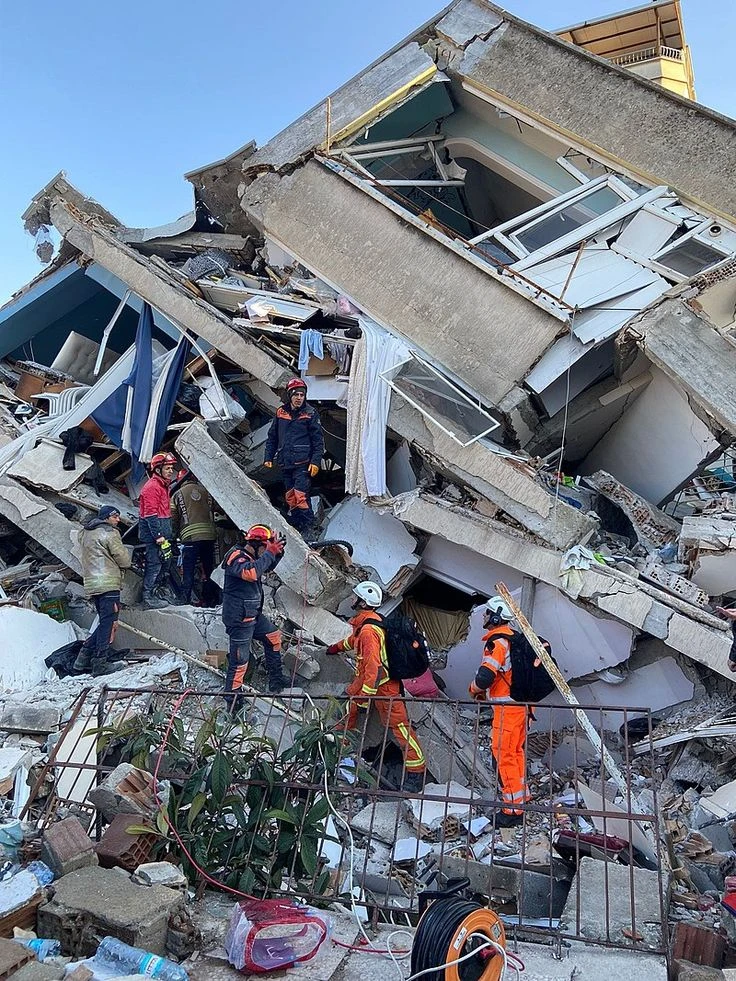
On August 10, 2026, a Colombia earthquake of magnitude 7.4 struck western Colombia, and it has left many families grappling with a difficult question that goes beyond grief and worry for loved ones back home. What happens financially when disaster strikes a family member overseas, and is your own household prepared if the call ever comes for you?
This guide looks at what the Colombia earthquake reveals about financial preparedness for families with ties abroad, and where T-Bridge Finance LLC can help you build a plan before a crisis forces the question.
Related BlogPost
Mortgage Protection for Hurricane Season: Why August Through October Is the Riskiest Stretch
Hurricanes and Evacuation plan: What it Teaches About Emergency Financial Planning
The Urgent MPI Hurricane Season Guide You Must Know Immediately
Revocable Living Trust: Save Your Home (Before It’s Too Late)
Why Does Disaster Preparedness Depend on Financial Planning, Not Just Emergency Kits?
Financial preparedness for a disaster means having accessible cash reserves, appropriate insurance coverage, and estate documents already in place so that a family can respond to a crisis without delay or unnecessary financial strain. An emergency kit protects a household physically during the first 72 hours of a disaster, but it does nothing to address how a family covers unexpected medical costs, sends emergency funds internationally, or manages assets if a loved one is injured or passes away.
The Colombia earthquake illustrates this gap clearly, since search and rescue efforts left over 3,000 people missing, with many trapped under debris, and families needed to make fast decisions about travel, communication, and financial support while official information was still incomplete.
Emergency Savings vs. Life Insurance as a First Line of Defense
The Colombia earthquake is a useful lens for comparing these two tools, since each one responds to a different phase of a crisis. Emergency savings answer the question of what happens in the first hours and days, while life insurance answers a longer and heavier question about what happens if a loved one does not survive. A financial plan that leans on only one of the two leaves a real gap, and understanding where each tool actually helps is the first step to closing it.
Emergency Savings
An emergency fund gives a household immediate, unrestricted access to cash without underwriting delays, medical exams, or claims processing. For families supporting relatives abroad during a disaster like the Colombia earthquake, liquid savings are often what allows them to wire money for medical care, temporary housing, or travel within hours rather than days. The limitation is scale, most financial advisors recommend three to six months of expenses in reserve, which is rarely enough to absorb a large, unexpected cost such as extended medical treatment or rebuilding a home.
Life Insurance
Life insurance is not designed for immediate cash access, but it protects a family against the financial consequences of losing an income-earning relative, whether that relative lives in Maryland or overseas. A policy that specifically accounts for family members with ties to a higher-risk region, including areas with elevated seismic activity, ensures that a household is not left financially exposed if the worst outcome occurs. The tradeoff is that life insurance requires setup well in advance, since coverage cannot be purchased or adjusted after a disaster has already occurred.

What We See Among Diaspora Families Trying to Support Relatives Abroad
In our experience working with diaspora investors in Maryland, one of the most common gaps we encounter is a mismatch between a family’s emotional commitment to relatives abroad and the financial structure available to support them in a crisis. Many households send remittances regularly but have never reviewed whether their life insurance beneficiary designations, emergency fund targets, or estate documents actually reflect their obligations to family members outside the United States.
T-Bridge Finance LLC works with clients to close that gap, because a financial plan that only accounts for domestic dependents is an incomplete plan for a diaspora household.
Where This Fits Alongside T-Bridge Finance LLC Services
The financial questions raised by an event like the Colombia earthquake rarely sit inside a single service category. They touch life and health insurance, since coverage needs to reflect dependents and beneficiaries who may live outside the country, they touch estate planning, since a will or trust should clearly address how assets are distributed to family members abroad. And for business owners or high-income professionals building long-term wealth, they touch tax-advantaged portfolio planning, since large one-time transfers to support family during a disaster can carry tax implications that are easy to overlook in the moment.
Dr. Taiwo Akindahunsi and the team at T-Bridge Finance LLC review these situations holistically with clients, since disaster preparedness planning works best when it is built into a broader financial strategy rather than addressed reactively. If your family sends remittances, holds property abroad, or has dependents living outside the United States, T-Bridge Finance LLC can help you evaluate whether your current insurance and estate structure actually reflects those obligations.
For general guidance on how to prepare financially and physically for a disaster, FEMA’s outlines financial preparedness steps including documenting assets, securing important records, and building emergency savings. For families considering how to safely donate or send aid abroad, the U.S. Department of State’s guidance on international disaster relief provides direction on vetted channels.

Ready to Review Your Family’s Financial Preparedness?
If the Colombia earthquake has made you think about whether your own financial plan accounts for family members abroad, now is the time to review it, rather than waiting for the next crisis to force the question. Reach out to schedule a conversation with T-Bridge Finance LLC.
About the Author
Maxwell is a financial content strategist at T-Bridge Finance LLC, a financial services firm based in Bowie, Maryland. All articles published on this blog are reviewed by the licensed PROFESSIONALS at T-Bridge Finance LLC before publication to ensure accuracy and compliance with current insurance and financial guidelines. T-Bridge Finance LLC holds active insurance licenses and serves families across the United States with life insurance, estate planning, college funding, and tax-advantaged wealth strategies. schedule a free consultation.
FAQ
1. Does life insurance cover a family member who lives outside the United States?
It depends on the policy and the insurer’s underwriting guidelines, since coverage for beneficiaries or insured individuals living abroad varies significantly by carrier. This is worth reviewing directly with an advisor rather than assuming your existing policy already accounts for it.
2. How much should I keep in an emergency fund if I regularly support family abroad?
Beyond the standard three to six months of personal expenses, households that regularly send remittances or may need to respond to a family emergency abroad often benefit from an additional dedicated reserve, sized around their typical support obligations.
3. Can I send money quickly to family in Colombia after a disaster like this?
Most major money transfer services and banks support international wire transfers, though speed and fees vary. It is worth confirming your bank’s international transfer process before a crisis occurs rather than during one.
4. Does my estate plan need to specifically mention family members who live outside the country?
Yes, if you intend for them to inherit assets or receive support. A will or trust that does not clearly name international beneficiaries can create delays or disputes during administration.
5. Where can I verify a legitimate charity accepting Colombia earthquake donations?
Charity evaluation platforms such as Charity Navigator allow you to confirm an organization’s accountability rating before donating, which helps avoid scams that often appear in the days following a major disaster.
Disclaimer: The information in this article is for educational purposes only and does not constitute financial, legal, or insurance advice. Life insurance and financial products vary by carrier, state of residence, age, health profile, and individual circumstances. Past index performance does not guarantee future results. Cash value illustrations referenced in this article are hypothetical projections and not a guarantee of policy performance. T-Bridge Finance LLC is a licensed financial services firm operating in the United States. Please consult a licensed financial advisor or insurance professional before making any insurance or financial planning decisions. To speak with our team, contact us here.