Rolling over your 401k to a fixed index annuity remains fully allowed and tax-free in 2026 when you follow a direct rollover process. You move the funds first to a traditional IRA, then into the fixed index annuity with no immediate taxes or penalties. This strategy delivers principal protection against market losses, potential lifetime income through optional riders, and tax-deferred growth.

Image on Pinterest
Introduction
If you are approaching retirement or simply tired of watching your 401k balance swing with the stock market, you have probably asked yourself whether a fixed index annuity makes sense. Many people in their 50s and 60s want the peace of mind that comes with knowing their money cannot lose value in a downturn. At the same time they still want some growth tied to the market without the full risk. A fixed index annuity can deliver exactly that balance.
In this guide we walk through everything you need to know in plain language. You will see the exact 2026 rules, the real pros and cons, current fixed index annuity rates, and the simple steps to complete the rollover safely. We keep it practical so you can decide if this fits your retirement picture.
RELATED BLOG POSTS
TAXES IN 2026: TAX ADVANTAGE PORTFOLIO EXPLAINED
LONG TERM CARE INSURANCE AND LIFE INSURANCE: 2026 GUIDE
INCOME PROTECTION INSURANCE 2026: WHY EVERY FAMILY NEEDS IT
LONG TERM CARE INSURANCE VS MEDICAID IN 2026 (COSTS, RULES AND SMART STRATEGIES)
What Is a Fixed Index Annuity and How Does It Work?
A fixed index annuity is a contract issued by an insurance company that credits interest based on the performance of a market index such as the S&P 500. Your principal stays completely protected from market losses. When the index goes up, you earn interest up to a preset cap rate. When the index falls, you earn zero percent for that period and never lose the original amount you put in.
Here are the main highlights that make a fixed index annuity different from other retirement options:
- Principal protection against market downturns
- Market-linked growth without direct stock ownership
- Tax-deferred growth until you take withdrawals
- Optional riders that can provide guaranteed lifetime income.
This structure makes the fixed index annuity especially attractive for people who want some upside potential without the full volatility of a 401k invested in stocks.
Is Rolling Over My 401k to a Fixed Index Annuity Allowed and Tax-Free in 2026?
Yes, you can complete a 401k rollover to fixed index annuity and keep the entire process tax-free in 2026. The IRS continues to allow direct rollovers from qualified retirement plans to a traditional IRA and then from that IRA into a fixed index annuity. No provisions in SECURE 2.0 or subsequent IRS guidance block the 401k-to-IRA-to-annuity rollover path. The IRS continues to allow direct trustee-to-trustee transfers from qualified plans into traditional IRAs, which can then fund an annuity contract.
Key highlights of the 2026 rollover rules:
- Use a direct trustee-to-trustee transfer to avoid the 60-day rule
- The money stays in a tax-deferred environment
- No immediate taxes or penalties apply
- The rollover works for the full 401k balance in most cases
What Are the Pros and Cons of a 401k to Fixed Index Annuity Rollover?
The biggest pro is principal protection combined with the chance for modest growth. You also gain access to optional lifetime income riders that turn part of the account into guaranteed monthly checks you cannot outlive. Many people like the predictability after years of market volatility.
On the con side, fixed index annuity contracts typically carry annual contract charges and rider fees that vary by carrier and product design, commonly ranging from under 1 percent for basic contracts to 1.5 to 2 percent when income riders are included, according to industry benchmarks from the National Association of Fixed Annuities. Surrender charges in years one through seven can reach 7 to 10 percent on some contracts, declining to zero over the surrender period. Your growth is capped, so you miss full market rallies. Liquidity is limited, and early withdrawals can trigger penalties before age 59 and a half.
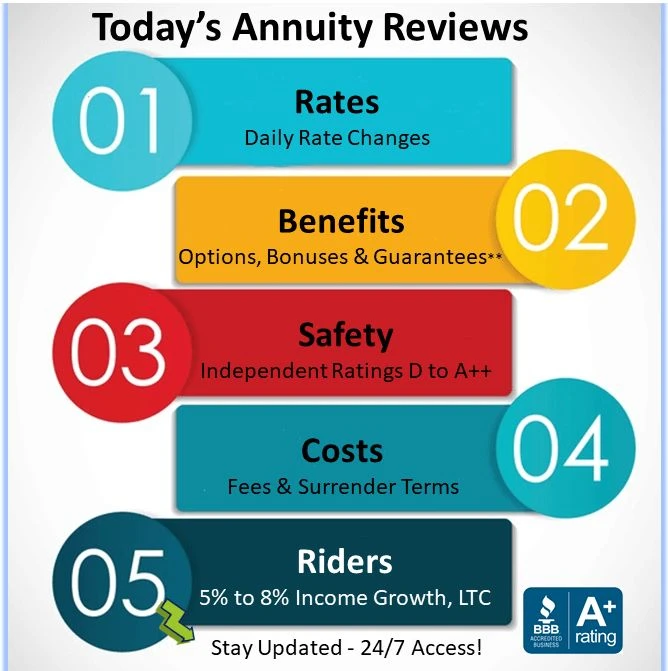
Image on Pinterest
How Do I Actually Rollover My 401k to a Fixed Index Annuity Step-by-Step?
Follow this list to complete the process smoothly.
- Review your 401k plan documents and confirm you qualify for a full rollover.
- Open a traditional IRA with a custodian that permits annuity purchases.
- Contact your 401k plan administrator and request a direct rollover to the new IRA.
- Once the funds arrive, consult a licensed annuity specialist to select the right fixed index annuity contract.
- Complete the annuity application and purchase paperwork.
The entire 401k rollover to fixed index annuity usually finishes in two to four weeks with no out-of-pocket taxes.
What Fees and Risks Should I Watch Out For?
Watch for annual contract fees, rider charges for income guarantees, and surrender charges that can reach 10 percent in year one. Some products also limit free withdrawals to 10 percent per year. The main risk is opportunity cost, because capped returns may lag a strong bull market. Liquidity risk matters if you need large sums unexpectedly. Always confirm the carrier holds an A or higher rating from A.M. Best to protect your principal.

Does a Fixed Index Annuity Make Sense for My Situation?
A fixed index annuity works best if you are within five years of retirement, prioritize sleep-at-night protection, and want the option of guaranteed lifetime income. It may not fit if you need high liquidity or plan to leave a large balance to heirs without riders.
Consider these quick highlights to evaluate your fit:
- Your age and time until retirement
- Current 401k balance and risk tolerance
- Need for steady monthly income in retirement
- Overall diversification across other accounts
A short conversation with a licensed professional can clarify whether the fixed index annuity aligns with the rest of your plan.
Conclusion
A 401k rollover to fixed index annuity offers a practical way to lock in principal protection and steady retirement income while still capturing some market upside through current fixed index annuity rates. The 2026 rules remain straightforward and tax-friendly when you follow the direct rollover path.
If you want personalized numbers based on your exact 401k balance and retirement timeline, reach out to the team at T-Bridge Finance LLC. We review your situation, compare top fixed index annuity options, and handle the paperwork so you can move forward with confidence.
About the Author
Maxwell is a financial content strategist at T-Bridge Finance LLC, a financial services firm based in Bowie, Maryland. All articles published on this blog are reviewed by the licensed PROFESSIONALS at T-Bridge Finance LLC before publication to ensure accuracy and compliance with current insurance and financial guidelines. T-Bridge Finance LLC holds active insurance licenses and serves families across the United States with life insurance, estate planning, college funding, and tax-advantaged wealth strategies. schedule a free consultation.
FAQ
1. Will I pay taxes on the rollover to a fixed index annuity?
No. A direct rollover keeps the transaction completely tax-free in 2026. The funds move straight from your 401k to an IRA and then into the fixed index annuity without you ever touching the money.
2. How much can I rollover into a fixed index annuity?
You can rollover your entire 401k balance. There is no IRS dollar limit on the rollover amount itself, although certain income riders have premium limits set by the insurance carrier.
3. Can I still take loans or withdrawals after the rollover?
Loans are not available once the money sits inside the fixed index annuity. You can take free withdrawals up to 10 percent per year in most contracts, but larger amounts trigger surrender charges during the early years.
Disclaimer: The information in this article is for educational purposes only and does not constitute financial, legal, or insurance advice. Life insurance and financial products vary by carrier, state of residence, age, health profile, and individual circumstances. Past index performance does not guarantee future results. Cash value illustrations referenced in this article are hypothetical projections and not a guarantee of policy performance. T-Bridge Finance LLC is a licensed financial services firm operating in the United States. Please consult a licensed financial advisor or insurance professional before making any insurance or financial planning decisions. To speak with our team, contact us here.