

Index universal life insurance is permanent life insurance that combines a death benefit with cash value tied to a stock market index such as the S&P 500. It features a 0 percent floor so your cash value never loses money when markets drop and offers upside potential through current 2026 cap rates between 8 percent and 13 percent. Families love the flexible premiums and the ability to access cash tax free through policy loans for retirement, college, or emergencies while still protecting loved ones.

Image on Pinterest
Introduction
If you are a parent juggling work and family or a business owner planning for the long haul, you have likely noticed the growing conversation around index universal life insurance. People are talking about it more than ever in 2026 because it offers something many other financial tools do not. It gives you solid life insurance protection plus a smart way to build cash value that can grow with the market but without the full risk of losing money when things get bumpy.
LIMRA reported that new indexed universal life insurance premiums reached 4.5 billion dollars in 2025 and the industry expects continued double digit growth throughout 2026. Middle income families are leading much of this surge thanks to newer simplified products that fit real household budgets better than ever before.
In plain language index universal life insurance lets you have lifelong coverage while your money works harder inside the policy. The cash value grows based on how a chosen index performs but always stays protected by that 0 percent floor. This setup has become a favorite for families who want growth potential without the worry of a traditional investment account crashing at the wrong time.
Ready to see if index universal life insurance makes sense for your family? Contact T.bridge finance to schedule a no obligation review with our licensed advisors. We will run real illustrations based on your age health and budget so you can decide with confidence.
How Does Index Universal Life Insurance Actually Work in 2026
Let us break it down simply. When you pay premiums into an index universal life insurance policy part of that money goes toward the cost of your death benefit and the rest builds cash value. That cash value then gets credited interest each year based on the performance of a stock market index you select usually the S&P 500. If the index goes up 12 percent in a year but your policy has a 10 percent cap you receive a 10 percent credit.
If the index drops 15 percent your cash value simply stays flat thanks to the 0 percent floor. No losses. This mechanism is exactly why so many families feel comfortable putting money into indexed universal life insurance right now.
Premiums stay flexible too. You can pay more when times are good or less when life gets tight without losing coverage as long as enough cash value remains in the policy. In 2026 with ongoing economic uncertainty that flexibility feels like a real safety net.
Many parents use index universal life insurance to help fund future college costs or create tax free income streams later in life. The policy loans let you borrow against the cash value without triggering taxes or penalties before age 59 and a half which makes it different from most retirement accounts.
Image on Pinterest
Why Families Are Choosing Index Universal Life Insurance Right Now
Families keep choosing index universal life insurance for three clear reasons that matter in 2026.
First, comes the tax free access to cash. You can take policy loans whenever you need money for a home renovation a child’s wedding or even supplemental retirement income and the money stays tax free as long as the policy stays in force.
Second, the death benefit offers immediate protection for your spouse and kids. If something happens to you the full death benefit passes to them income tax free in most cases. That peace of mind is priceless when you are raising a family.
Third, the flexibility matches real life. Jobs change kids grow up and expenses shift. With universal life insurance you can adjust premiums or even stop paying them for a while if the cash value is strong enough.
LIMRA data confirms middle income households are driving much of the 2026 growth because these products now start at more affordable levels.
Index Universal Life Insurance Pros and Cons You Need to Know
Every financial tool has trade offs so let us stay honest about index universal life insurance. The pros are strong. You get downside protection market linked growth potential tax deferred cash accumulation and flexible premiums all inside one permanent life insurance policy. Families often use it as a supplemental retirement tool or to create estate liquidity.
On the other side caps do limit your maximum upside compared to investing directly in the stock market. Annual fees and cost of insurance charges sit between 0.8 percent and 1.5 percent of cash value so you need to fund the policy properly. If cash value drops too low and you stop paying premiums the policy can lapse which is why regular reviews matter.
Still for most families, the benefits far outweigh the drawbacks when the policy is set up correctly with a licensed advisor.

Image on Pinterest
How Index Universal Life Insurance Compares to Whole Life Insurance
Whole life insurance gives you rock solid guarantees with a fixed interest rate but that rate stays fairly low. Index universal life insurance trades some of that guarantee for the chance at higher returns tied to market performance while still protecting your principal with the 0 percent floor.
For families comfortable with a bit more flexibility and who want their cash value to keep up with or beat inflation indexed universal life insurance often shows stronger long term results in illustrations spanning 15 years or more.
Who Should Consider Index Universal Life Insurance in 2026
Index universal life insurance works especially well for families between ages 30 and 50 who have steady income but want more than basic term coverage. Business owners use it for key person protection or buy sell agreements. Parents planning for college or weddings find the tax free loan feature very attractive.
Even middle income households benefit now that carriers offer simplified issue versions with lower minimum face amounts. If you want lifelong coverage plus a cash value component that can grow without full market risk index universal life insurance deserves a close look.
Common Mistakes to Avoid with Index Universal Life Insurance
- One big mistake is underfunding the policy early on. The cash value needs a strong start to weather any future fee increases or market periods.
- Another error is borrowing too much too soon without understanding how it affects the death benefit.
- Always review your policy illustration every year and work with an advisor who specializes in indexed universal life insurance.
- A quick annual check keeps everything on track and prevents surprises down the road.
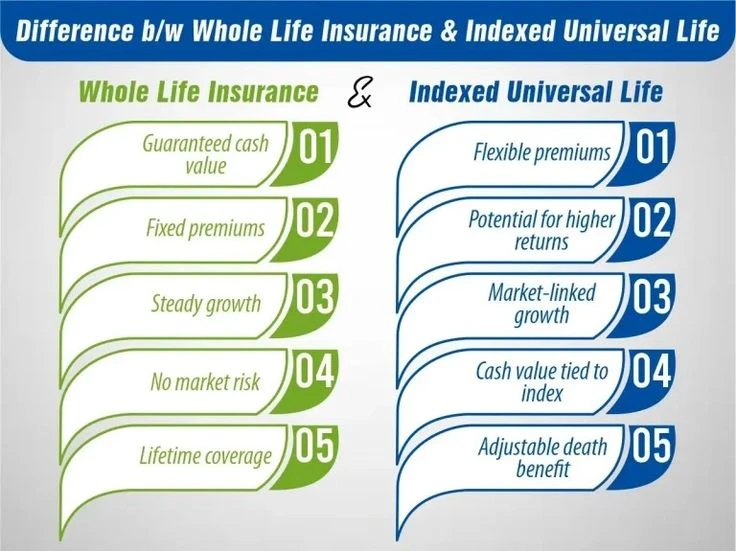
Image on Pinterest
Conclusion
Index universal life insurance gives families a powerful combination of protection growth and flexibility that fits perfectly in today is uncertain world. With strong industry growth continuing into 2026 now is a smart time to explore how this type of life insurance could support your specific goals.
Ready to see if index universal life insurance makes sense for your family? Contact T.bridge finance to schedule a no obligation review with our licensed advisors. We will run real illustrations based on your age health and budget so you can decide with confidence.
FAQ
1. What exactly is index universal life insurance?
Index universal life insurance is permanent life insurance with cash value linked to a market index. It offers a 0 percent floor against losses flexible premiums and tax free access to cash through policy loans.
2 Why are families picking indexed universal life insurance in 2026?
Families choose it for tax free loans market linked growth with protection and lifelong coverage that adapts to changing family needs.
3 How safe is index universal life insurance compared to other options?
It is very safe for the cash value thanks to the 0 percent floor but requires proper funding and regular reviews just like any permanent policy.


Pingback: How Indexed Universal Life Works in 2026: Step-by-Step Guide with Real Cash Value Examples - T-Bridge Finance LLC