Short term disability insurance typically pays benefits for three to six months after a short waiting period of seven to 30 days while long term disability insurance steps in after that and can pay for years or even until retirement age. Most workers need both types of disability insurance because short term disability insurance handles temporary setbacks like surgery or injury recovery and long term disability insurance protects against serious conditions that last much longer. The right choice depends on your job stability, savings, and whether your employer offers group plans.
Image on Pinterest
Introduction
If you suddenly could not work due to illness or injury, how long could your savings last? For many workers this question hits hard when they start thinking about disability insurance. Short Term vs Long Term Disability Insurance matters more than ever in 2026 because medical costs keep rising and traditional safety nets like Social Security take months to approve.
This guide breaks down everything in simple terms so you can decide what fits your life. You will see clear differences in how long each policy pays, what it costs, and when benefits start. We also cover options for self-employed workers and how these plans work with taxes and government programs.
RELATED BLOG POSTS
DISABILITY INSURANCE: PROTECTING YOUR INCOME FROM THE UNEXPECTED
INCOME PROTECTION INSURANCE 2026: WHY EVERY FAMILY NEEDS IT
LONG TERM CARE INSURANCE VS MEDICAID IN 2026
HOW FINAL EXPENSE INSURANCE COVERS FUNERAL COSTS
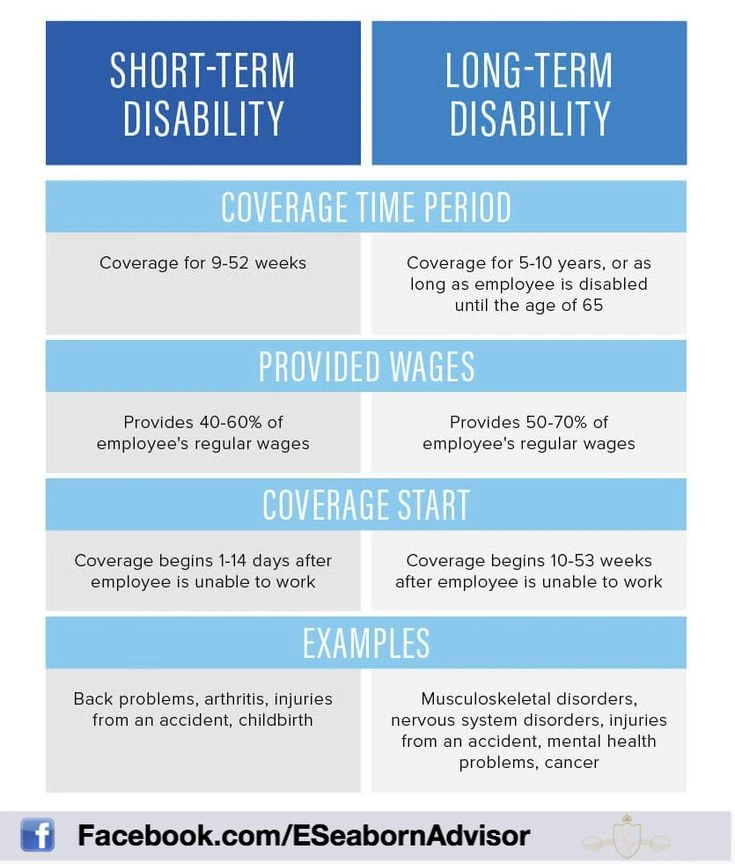
Image on Pinterest
What Is the Main Difference Between Short Term Disability Insurance and Long Term Disability Insurance?
Short-term and long-term disability insurance both replace part of your income when you cannot work, but they differ primarily in how long they pay and when benefits begin. Short-term disability insurance covers you for a few weeks up to six months, with benefits typically beginning after just seven to thirty days. Long-term disability insurance activates after short-term benefits end and can continue paying for two years, five years, or all the way until retirement age. Most workers need both, because one without the other creates a gap that savings alone rarely cover.
How Long Does Short Term Disability Insurance Actually Pay Benefits?
Short term disability insurance usually pays benefits for three to six months and sometimes up to 12 months depending on the policy. According to Guardian Life’s 2025 Workplace Benefits Study, most short-term disability plans replace 60 to 100 percent of income during the benefit period. Benefits start after a short elimination period of seven to 30 days so you use sick days or savings first.
This makes short term disability insurance ideal for common issues like pregnancy recovery, minor surgeries, or short-term illnesses.
How Long Does Long Term Disability Insurance Pay Benefits?
Long term disability insurance pays benefits for much longer periods, often two years, five years, ten years, or until age 65 or 67. The Council for Disability Awareness reports that the average long-term disability claim lasts roughly 34.6 months, nearly three years during which most families exhaust savings without proper coverage. Benefits typically replace 50 to 70 percent of your pre-disability income.
When you compare Short Term vs Long Term Disability Insurance, the long term option gives peace of mind for serious conditions like cancer, severe injuries, or chronic illnesses that keep you out of work for years.

Image on Pinterest
What Are the Elimination Periods and How Soon Do Benefits Start?
The elimination period is the waiting time before benefits begin. For short term disability insurance it averages seven to 14 days. For long term disability insurance it usually runs 90 days but can range from 30 days to 180 days.
During the elimination period you rely on savings, paid leave, or emergency funds. Understanding this timing helps you plan your Short Term vs Long Term Disability Insurance strategy effectively.
How Much Income Will Short Term Disability Insurance and Long Term Disability Insurance Replace?
Short term disability insurance often replaces 70 to 100 percent of your income while long term disability insurance typically replaces 50 to 70 percent. Exact amounts depend on the policy and whether your employer pays the premiums.
Most financial planners recommend maintaining three to six months of emergency savings alongside disability coverage. For families without that cushion, income replacement through disability insurance is the primary defense against financial disruption during a health crisis.
Do Most Workers Need Both Short Term Disability Insurance and Long Term Disability Insurance?
Yes, most workers benefit from having both short term disability insurance and long term disability insurance. Short term disability insurance covers the initial recovery phase and long term disability insurance takes over for extended disabilities. Many employer group plans bundle them together.
When evaluating Short Term vs Long Term Disability Insurance, remember that one without the other leaves a gap. Short term alone ends too soon for major issues and long term alone has a long waiting period you must bridge.
How Much Does Disability Insurance Cost and Is It Worth It?
Short-term disability insurance typically costs employers and individuals between 0.5 and 1.5 percent of covered payroll, while long-term disability insurance runs approximately 0.3 to 0.8 percent, based on industry benchmarks from the Society for Human Resource Management. For an individual earning $100,000 per year, total annual premiums for both policies often remain under $2,000.
The low cost compared to potential income loss makes Short Term vs Long Term Disability Insurance a smart investment for most workers.
What Should Self-Employed or Gig Workers Do Differently?
Self-employed workers cannot rely on employer group plans so they must buy individual short term disability insurance and long term disability insurance. These policies cost a bit more but offer flexible terms and tax-free benefits when you pay premiums with after-tax dollars.
Short Term vs Long Term Disability Insurance becomes even more important for freelancers because there is no paid leave or group coverage. Start with a policy that matches your income history and business needs.
How Do Disability Benefits Interact With Taxes, SSDI, and Workers’ Comp?
Benefits from short term disability insurance and long term disability insurance are usually tax-free if you pay the premiums yourself. If your employer pays, benefits may count as taxable income. Long term disability insurance often coordinates with Social Security Disability Insurance so payments adjust to avoid overlap.
Workers’ compensation covers only job-related injuries while Short Term vs Long Term Disability Insurance protects you 24/7 for any illness or injury.
How Do I Choose and Buy the Right Disability Insurance Policy?
Start by auditing what your employer already provides. Check whether your group plan uses an own-occupation or any-occupation definition of disability — this single factor determines how easy it is to qualify for benefits. Review the elimination period and confirm you have enough savings to bridge that gap without hardship.
Next, request individual quotes from at least three carriers. Compare benefit percentages, benefit periods (two years vs to age 65), and whether the policy includes a cost-of-living adjustment rider. If you are self-employed, skip directly to individual policies as no employer group plan applies.
At T-Bridge Finance LLC we run side-by-side carrier comparisons for clients across Maryland and beyond, explaining each policy in plain language so you understand exactly what you are buying before you sign. Book a free review here.
Conclusion
Understanding Short Term vs Long Term Disability Insurance helps you protect the income that supports your family and goals. The right combination of short term disability insurance and long term disability insurance gives you confidence that a health setback will not derail your finances. Do not wait until you need it, review your current coverage today and fill any gaps.
Ready to protect your income? Contact T-Bridge Finance LLC for a free disability insurance review tailored to your situation. Schedule your consultation now and secure your financial future.
READ MORE: Check out our guide on INCOME PROTECTION INSURANCE 2026: WHY EVERY FAMILY NEEDS IT for even more ways to safeguard your earnings.
About the Author
Maxwell is a financial content strategist at T-Bridge Finance LLC, a financial services firm based in Bowie, Maryland. All articles published on this blog are reviewed by the licensed PROFESSIONALS at T-Bridge Finance LLC before publication to ensure accuracy and compliance with current insurance and financial guidelines. T-Bridge Finance LLC holds active insurance licenses and serves families across the United States with life insurance, estate planning, college funding, and tax-advantaged wealth strategies. schedule a free consultation.
FAQ
1. Can I have both short term disability insurance and long term disability insurance at the same time?
Yes, most policies allow you to combine short term disability insurance and long term disability insurance. The short term plan pays first then hands off to the long term plan after the elimination period ends.
2. Is short term disability insurance worth buying if I have a large emergency fund?
It can still be worth it because short term disability insurance replaces income quickly and tax-free in many cases. Your emergency fund stays intact for other needs while the policy handles ongoing bills.
3. Does long term disability insurance cover mental health conditions?
Yes, most long term disability insurance policies cover mental health conditions if they meet the policy definition of disability. Check the specific terms for any limitations on mental health claims.
Disclaimer: The information in this article is for educational purposes only and does not constitute financial, legal, or insurance advice. Life insurance and financial products vary by carrier, state of residence, age, health profile, and individual circumstances. Past index performance does not guarantee future results. Cash value illustrations referenced in this article are hypothetical projections and not a guarantee of policy performance. T-Bridge Finance LLC is a licensed financial services firm operating in the United States. Please consult a licensed financial advisor or insurance professional before making any insurance or financial planning decisions. To speak with our team, contact us here.