

Disability insurance pays you a monthly benefit if you cannot work because of a covered illness or injury. It typically replaces 50 to 70 percent of your pre-disability income for a set period. Short term disability insurance covers weeks to months, long term disability insurance lasts years or until retirement, and social security disability insurance provides federal benefits after a five-month waiting period.

Image on Pinterest
Introduction
Life throws curveballs, and sometimes those curveballs keep you from earning a paycheck. That is exactly why disability insurance matters more than ever in 2026. Whether you are a salaried employee, self-employed freelancer, or business owner, your income is your biggest asset. Disability insurance steps in to replace a big chunk of that income so you can focus on recovery instead of worrying about bills.
Many people assume their employer plan or social security disability insurance will cover everything, but those options often fall short on amount, waiting time, or approval rates. This guide walks you through everything in plain language, from the three main types of coverage to real-world claim tips that actually work. You will finish reading with a clear understanding of how disability insurance fits your situation and why it deserves a spot in your financial plan.
RELATED BLOG POST
TOP 5 BENEFITS OF PERMANENT LIFE INSURANCE IN 2026 (FOR FAMILIES)
HOW FINAL EXPENSE INSURANCE COVERS FUNERAL COSTS (AND PROTECTS YOUR FAMILY)
HOW INDEXED UNIVERSAL LIFE WORKS IN 2026: STEP-BY-STEP GUIDE WITH REAL CASH VALUE EXAMPLES
IUL VS TERM LIFE INSURANCE 2026: PROTECTION AND WEALTH
Take the next step today. Contact T-Bridge Finance LLC to review your current coverage and build a personalized plan. Protecting your income now means protecting your family for years to come.
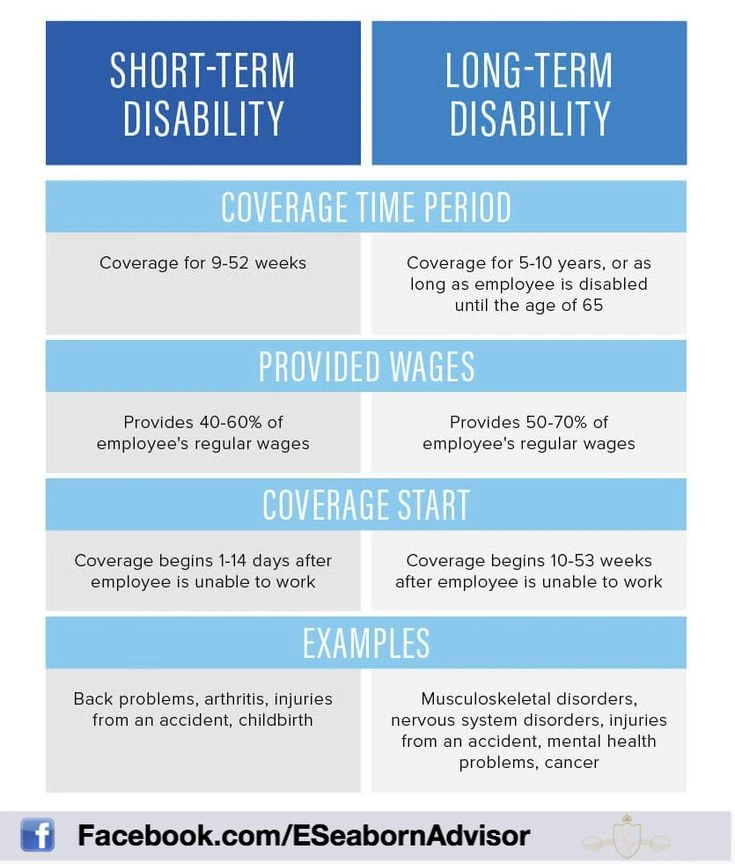
Image on Pinterest
What exactly is disability insurance and why does it matter in 2026?
Disability insurance is a policy that replaces part of your income when you cannot work due to a covered medical condition. It pays you directly so your household can keep paying rent, groceries, and other essentials. In 2026, with inflation still pressuring family budgets, this coverage has become essential rather than optional.
The Social Security Administration reports that one in four young workers will face a long-term disability before retirement. Yet only 43 percent of Americans carry private disability insurance beyond basic social security disability insurance, according to Guardian’s 2025 Workplace Benefits Study. Without it, families often dip into savings or rack up debt while the primary earner recovers.
Disability insurance comes in two main private forms, short term disability insurance and long term disability insurance, plus the government-backed social security disability insurance. Each serves a different purpose, and understanding the differences helps you choose the right mix.
What are the three main types of disability insurance?
- Short term disability insurance typically pays benefits for three to six months while you recover from surgery, injury, or short-term illness.
- Long term disability insurance kicks in after that and can last for years or until you reach retirement age.
- Social security disability insurance is a federal program that pays smaller monthly amounts but requires you to prove total disability and wait at least five months.
Many employers offer short term disability insurance as a group benefit, but the payout is often only 60 percent of your salary and may exclude certain conditions. Private long term disability insurance usually offers more flexibility, higher benefit amounts, and better definitions of disability. Social security disability insurance acts as a safety net, yet approval rates remain low and the average monthly payment sits around 1,580 dollars in 2026.
Combining these three types creates layered protection that fits most budgets and lifestyles.
How much does disability insurance actually cost and what affects the price?
Premiums for disability insurance usually run between one and three percent of your annual income. A 35-year-old non-smoker earning 80,000 dollars a year might pay 800 to 2,400 dollars annually for solid long term DI. Factors that raise or lower your rate include age, occupation, health history, benefit amount, waiting period, and whether you choose own-occupation coverage.
Short term DI costs less because the benefit period is shorter. Adding riders for cost-of-living adjustments or residual disability benefits increases the price slightly but gives stronger protection. Shopping around and working with an independent agent can save you hundreds each year.
Is disability insurance worth it if I already have employer coverage or social security disability insurance?
Employer short term DI and social security disability insurance provide a starting point, but most people discover big gaps once they dig deeper. Group plans often cap benefits at 60 percent of salary, exclude pre-existing conditions, and stop paying after a few months. Social security DI pays even less and takes months or years to approve.
Private DI fills those holes with higher replacement ratios, faster payouts, and broader coverage definitions. When you combine all three, you create true income protection that keeps your family stable no matter how long recovery takes.

Image on Pinterest
What should I look for in a policy?
Focus on three key policy features.
- First, choose own-occupation disability insurance if your job requires specific skills such as surgery or teaching. This definition pays benefits even if you can work in another field.
- Second, pick the shortest elimination period you can afford, usually 30 to 90 days.
- Third, make sure the benefit period matches your needs, either two years, five years, or to age 65 or 67.
- Also review riders for partial disability, future purchase options, and automatic benefit increases.
A licensed agent can walk you through sample policies in minutes so you understand exactly what you are buying.
How do I file a successful disability insurance claim without getting denied?
Start by notifying your insurer as soon as your doctor says you cannot work. Gather medical records, employer statements, and tax returns right away. Be honest and consistent in all paperwork. Many claims get denied because of missing documentation or conflicting statements.
Work with your doctor to provide clear notes that match the policy definition of disability. If you receive a denial letter, appeal immediately and consider consulting a disability attorney who works on contingency. Following these steps dramatically raises your approval chances.
Can self-employed or gig workers get affordable disability insurance?
Yes, individual disability insurance policies work especially well for freelancers, consultants, and business owners. You control the entire policy, including benefit amounts and waiting periods. Many carriers now offer simplified underwriting for healthy applicants under age 50, which speeds up approval and keeps premiums reasonable.
Gig workers can even qualify for short term DI that covers pregnancy, recovery from accidents, or short illnesses without group plan restrictions. Pairing this with an emergency fund gives you complete peace of mind.
What disabilities are most commonly covered, including mental health?
Policies cover a wide range of conditions, from back injuries and cancer to depression, anxiety, and other mental health issues. In recent years, mental health claims have risen to become one of the top three reasons for long term DI payouts. As long as your policy does not exclude the condition and your doctor documents the inability to work, benefits should apply.
Read the fine print on pre-existing conditions and look for policies with strong mental health coverage if that is a concern for you or your family.
Conclusion
DI gives you the confidence to face health challenges without financial ruin. It protects the income you work so hard to earn and lets you focus on healing instead of stressing over bills. Whether you need short term disability insurance for quick recovery, long term disability insurance for extended support, or social security disability insurance as a backup, the right combination keeps your future secure.
Take the next step today. Contact T-Bridge Finance LLC to review your current coverage and build a personalized plan. Protecting your income now means protecting your family for years to come.
READ MORE: For more ways to strengthen your overall financial safety net, check out our guide on HOW FINAL EXPENSE INSURANCE COVERS FUNERAL COSTS (AND PROTECTS YOUR FAMILY).
FAQ
1. How long does it take to get approved for DI?
Most healthy applicants receive approval within two to four weeks. Simplified issue policies can approve in days.
2: Does the insurance cover maternity leave?
Short term DI often covers pregnancy and recovery after delivery if the policy includes maternity benefits. Check the wording before purchase.
3: Can I buy the insurance after a diagnosis?
Yes, but pre-existing conditions may be excluded for the first 12 to 24 months. Shop early while you are healthy for the best rates and coverage.


Pingback: Income Protection Insurance 2026: Why Every Family Needs It - T-Bridge Finance LLC